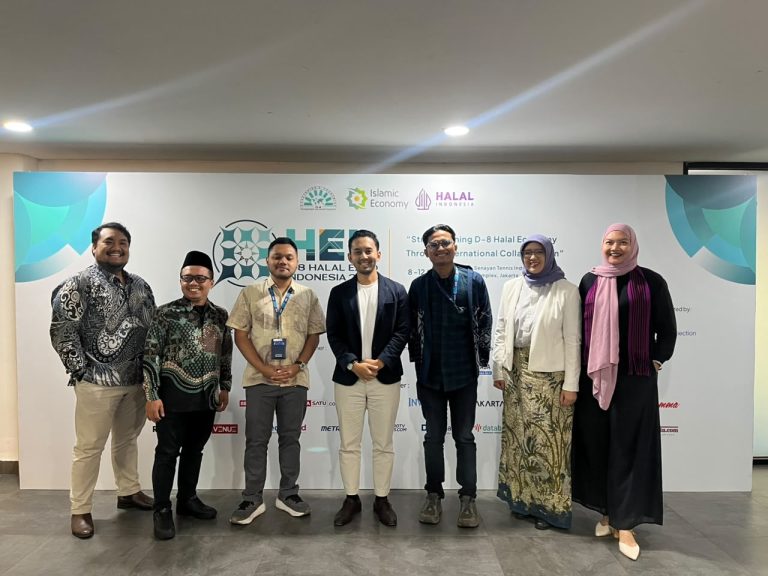
Jakarta, 11 July 2026 — Forum Wakaf Produktif and OIC Youth Indonesia, together with Pijar Foundation through its Muda Town Hall initiative, MOSAIC, and Purpose, jointly organized a session entitled “Unlocking New Drivers of Development: Talent, Sustainable Innovation, and Faith-Based Finance for Shared Prosperity” as part of the D-8 Halal Expo Indonesia 2026.
The session highlighted the importance of connecting talent development, sustainable innovation, and faith-based finance, including zakat and productive waqf, to deliver practical, inclusive, and sustainable development solutions amid ongoing global shifts.
The program opened with a contextual discussion on “New Drivers of Development in an Era of Global Shifts.” Participants were invited to reflect on a central question: when traditional development approaches alone may no longer be sufficient to address increasingly complex and interconnected challenges, how should new approaches be formulated for our shared future?
In her introductory remarks, President of OIC Youth Indonesia Astrid Nadya Rizqita highlighted the relevance of the D-8 as a platform for economic cooperation among developing countries. D-8 member states have large and dynamic youth populations, but this demographic potential can generate meaningful benefits only when supported by investment in capacity development, access to opportunities, innovation, and meaningful youth participation in development processes.
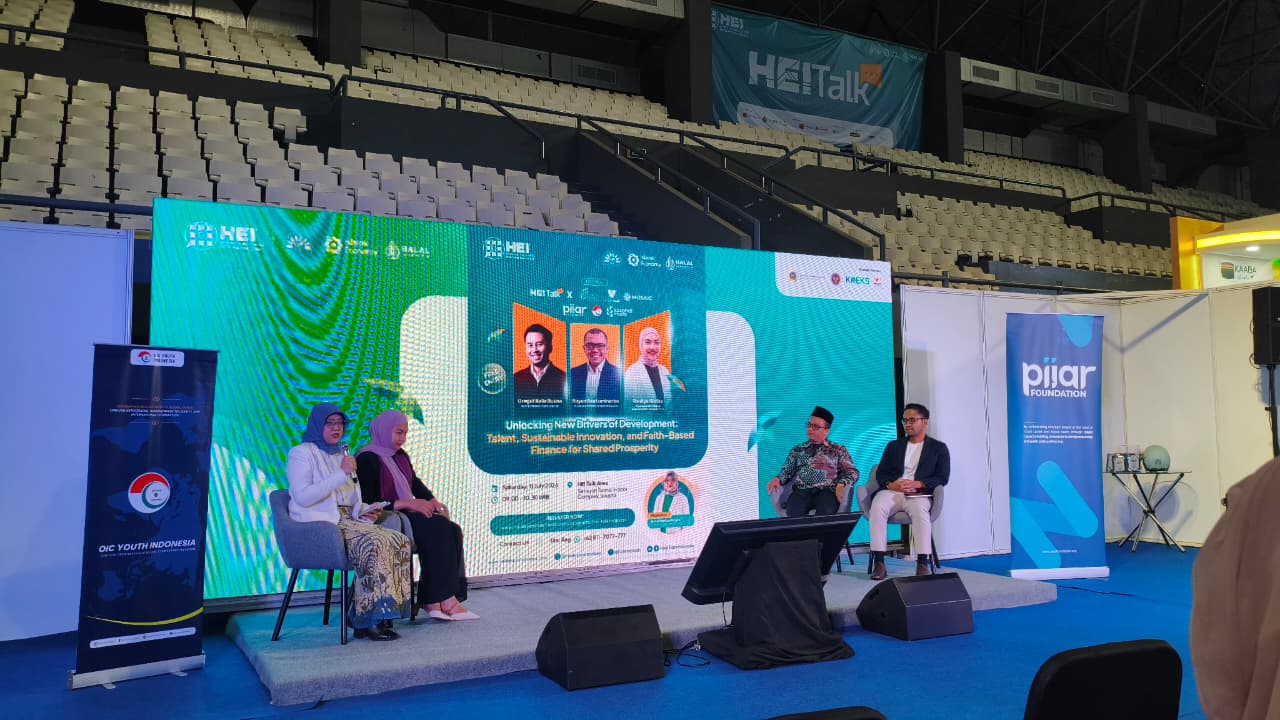
The program continued with a fireside chat and moderated panel featuring Greget Kalla Buana, Islamic Finance Specialist and Influencer; Rayan Asa Luminaries, Chairman of Forum Wakaf Produktif; and Ranitya Nurlita, Founder of WasteHub and a MUDA30 2025 awardee. The discussion was moderated by Astrid Nadya Rizqita.
Advancing the Circular Economy through Community Ownership
Ranitya Nurlita emphasized the need to transition from a linear economic model—taking, using, and disposing—to a circular economy in which resources retain their value for as long as possible. In waste management, this transition requires segregation at source, active community participation, and an ecosystem that enables waste to be processed and returned to productive use.
She explained that circular-economy initiatives cannot rely on a one-size-fits-all approach. Each program must develop a comprehensive understanding of the community’s social, economic, cultural, and environmental context. Technical concepts must also be translated into language that is accessible and relevant to local communities, enabling people to understand, adopt, and take ownership of the proposed solutions.
Ranitya also highlighted the importance of the penta-helix model, which brings together government, the private sector, academia, communities, and the media. Multi-stakeholder engagement is necessary to ensure that programs do not remain short-term interventions but become locally owned movements with measurable outcomes and social and financial sustainability. Programs must also be inclusive, particularly by involving women, persons with disabilities, and communities that frequently lack equal access to opportunities.
Expanding Waqf as a Development Instrument
Rayan Asa Luminaries explained that public understanding of waqf is often limited to the “3Ms”: maqbarah, mosques, and madrasas. While these remain important, the potential of waqf can be expanded through cash waqf and the productive management of endowed assets, therefore he coined the fourth M, namely Money.
Productive waqf preserves and manages the principal value of an asset so that it can generate continuing benefits. With appropriate governance, it can support a wide range of development priorities, including education, entrepreneurship, environmental conservation, and renewable energy.
One example discussed during the session was the use of waqf to support the installation of solar panels at mosques. This demonstrates that waqf is not limited to conventional religious infrastructure. It can also improve access to energy, contribute to post-disaster recovery, and support environmental objectives.
Rayan further emphasized that participation in zakat and waqf must begin with personal action. Waqf should not merely be discussed or promoted; its impact becomes tangible when people begin practising it themselves and encourage others through example.
Strengthening Trust and Scaling Impact Finance
Greget Kalla Buana highlighted the considerable but still underutilized potential of zakat and waqf. The gap between estimated potential and actual collection is influenced by limited Islamic-finance literacy and insufficient public trust in the management of social funds.
Transparency, accountability, professional governance, and impact measurement are therefore essential. Members of the public need to understand how funds are collected, managed, distributed, and translated into demonstrable outcomes.
Greget also advocated a blended-finance approach, combining Islamic social-finance instruments such as zakat and waqf with commercial capital, corporate social responsibility funding, philanthropy, and government support. Such an approach can mobilize resources on a larger scale to address poverty, climate change, access to healthcare, economic empowerment, and rural electrification.
Effective cross-sector collaboration also requires a shared language. Governments, investors, philanthropic institutions, businesses, and communities may have different objectives and measures of success. Frameworks such as the Sustainable Development Goals and environmental, social, and governance principles can provide common ground for aligning financial, social, and environmental priorities.
Moving from Potential to Collective Action
The discussion affirmed that today’s development challenges cannot be addressed through a business-as-usual approach. Talent development, sustainable innovation, and faith-based finance must be connected within a collaborative ecosystem.
Young people have a particularly important role in this ecosystem, not only as beneficiaries, but also as innovators, community organizers, entrepreneurs, social investors, and future policymakers. However, meaningful youth contributions require opportunities for participation, capacity-building, mentorship, access to networks, and adequate financing.
The speakers also underlined how religious values can provide a moral foundation for sustainable development. Faith-based finance should not be viewed solely as the fulfilment of religious obligations, but also as a means of advancing the common good, strengthening social solidarity, and fostering long-term commitments to both people and the planet.
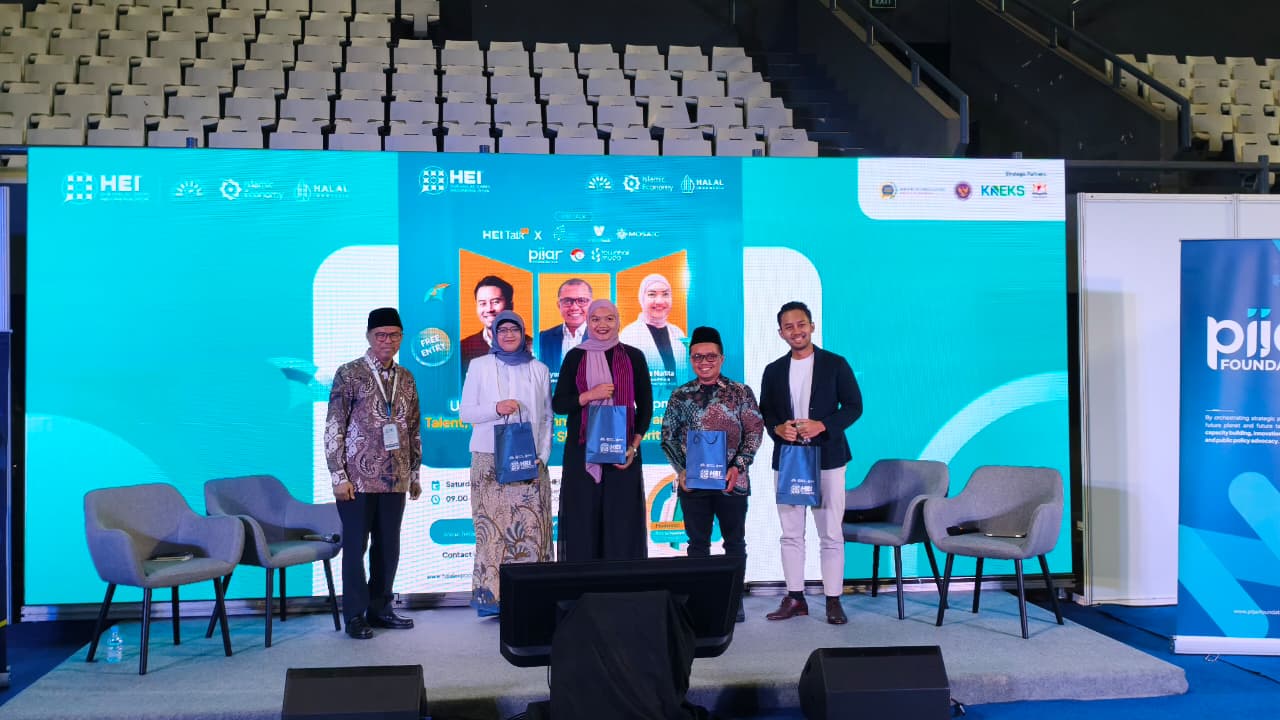
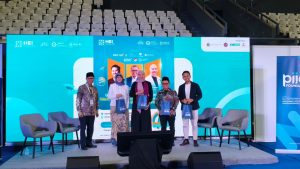
At the conclusion of the session, Ir. H. Putu Rahwidhiyasa, MBA, Director of Islamic Business and Entrepreneurship at the National Committee for Islamic Economy and Finance (KNEKS), representing the organizers of the D-8 Halal Expo Indonesia 2026, presented tokens of appreciation to the speakers and moderator.
Held from 8 to 12 July 2026, the D-8 Halal Expo Indonesia 2026 was jointly organized by the Ministry of Foreign Affairs of the Republic of Indonesia, the National Committee for Islamic Economy and Finance (KNEKS), the Halal Product Assurance Organizing Agency (BPJPH), and the Indonesian Chamber of Commerce and Industry (KADIN Indonesia).
By contributing and co-organizing this session, Forum Wakaf Produktif, OIC Youth Indonesia, Pijar Foundation through Muda Town Hall, MOSAIC, and Purpose affirmed their commitment to advancing cross-sector collaboration and expanding the use of talent, innovation, and faith-based finance to achieve shared prosperity.